Classic car financing can help buyers spread the cost of purchasing a vintage, collector, or specialty vehicle over time. However, financing an older or collectible car can differ from financing a typical late-model used vehicle because valuation, vehicle condition, lender eligibility rules, insurance requirements, and resale markets may be less straightforward.
A classic vehicle should not automatically be treated as a guaranteed investment. Some vehicles may appreciate, others may lose value, and ownership costs can include insurance, storage, maintenance, restoration, and specialized repairs.
This guide explains nine important checks to make before using classic car financing, including how to evaluate the vehicle, compare APR and total loan cost, understand lender requirements, and choose between secured and alternative financing options.
If the vehicle is simply an older used car rather than a true collector vehicle, also review our auto loans for older cars guide.
Key Takeaways
- Classic and collectible vehicles may not qualify under every standard auto-lender policy.
- Vehicle value may require more specialized documentation or an appraisal.
- There is no universal down-payment requirement for classic-car loans.
- Compare APR, amount financed, finance charge, term, and total payments.
- A larger down payment can reduce the loan amount and loan-to-value ratio.
- Do not assume a classic car will appreciate enough to offset financing costs.
- Insurance requirements can differ by lender, insurer, vehicle, and intended use.
- An independent inspection can help identify mechanical or restoration issues before purchase.
- Compare specialty financing with conventional auto loans and other borrowing options before signing.
1. What Is Classic Car Financing?
Classic car financing refers broadly to financing used to purchase a classic, vintage, collector, or specialty vehicle.
It is not necessarily one standardized loan product. Depending on the vehicle and lender, financing might take the form of:
- a secured vehicle loan;
- a specialty collector-car loan;
- dealer-arranged financing;
- a bank or credit-union loan;
- an unsecured personal loan; or
- another financing structure offered by an eligible creditor.
The best option depends on the vehicle, lender requirements, amount needed, borrower profile, and total cost of credit.
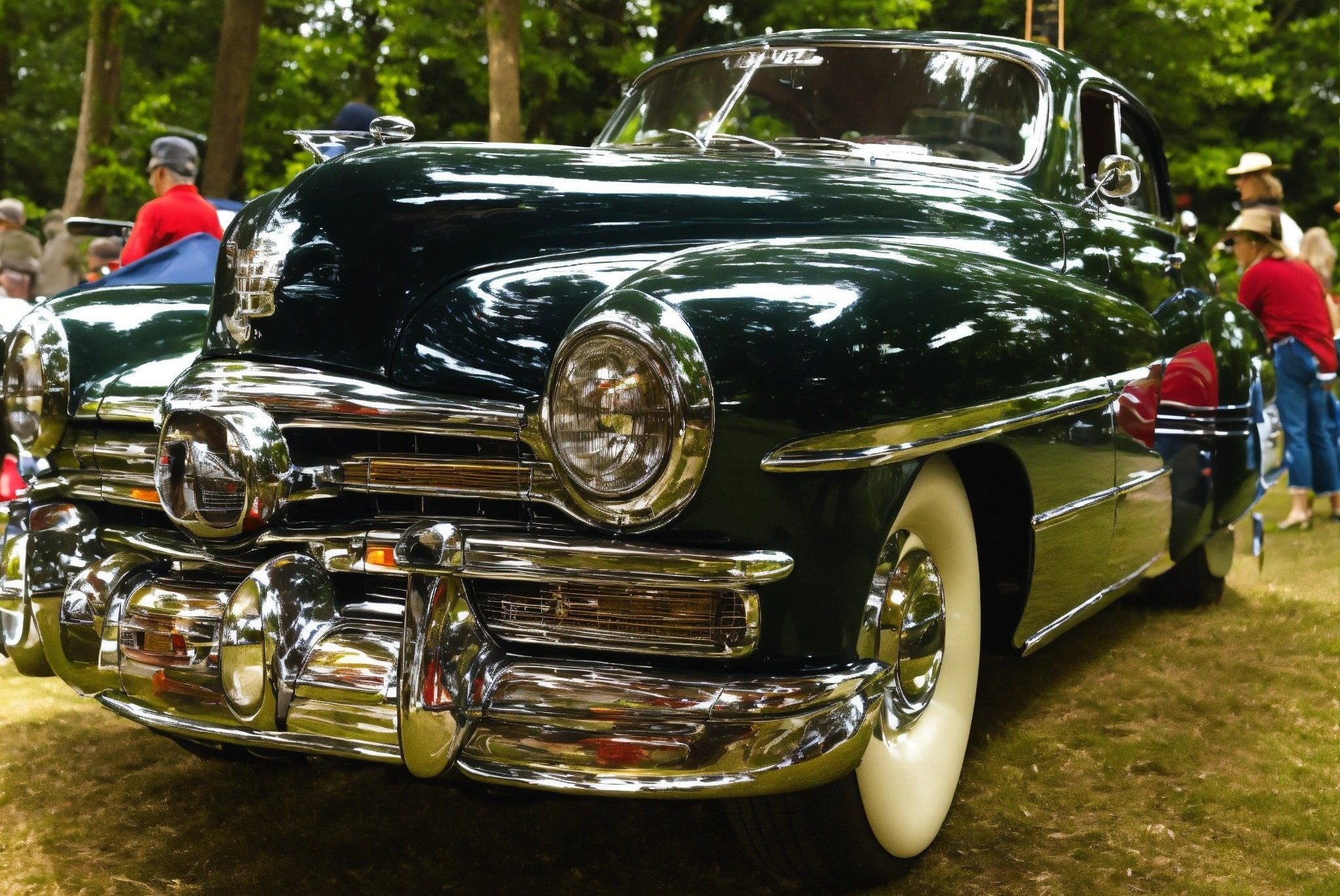
How is it different from an ordinary used-car loan?
A conventional lender may use standard age, mileage, value, or seller requirements when deciding which vehicles it will finance.
A collector car can fall outside those rules because:
- it may be decades old;
- mileage may not reflect its value in the same way as an ordinary used car;
- condition and originality can substantially affect market value;
- restoration quality may matter;
- comparable sales may be limited; and
- specialized valuation may be necessary.
For ordinary pre-owned vehicles, our used car loan guide may be more relevant.
2. Verify How the Vehicle Will Be Valued
Vehicle valuation is one of the most important parts of classic car financing.
A collector vehicle’s asking price does not automatically establish its lending value.
Factors that may influence value
Depending on the vehicle, buyers and lenders may consider:
- make and model;
- model year;
- production numbers;
- condition;
- originality;
- restoration quality;
- documentation;
- modifications;
- provenance;
- market demand; and
- recent comparable sales.
An appraisal may be required
Some lenders may require a professional appraisal when a vehicle cannot be valued reliably through ordinary used-car valuation methods.
Do not assume every lender requires an appraisal or accepts the same appraisal provider. Ask for the creditor’s requirements before paying for one.
Purchase price and lending value can differ
You may agree to pay more for a vehicle than the lender believes it is worth.
If that happens, you may need a larger down payment or another financing solution.
The Consumer Financial Protection Bureau explains that loan-to-value, or LTV, compares the loan amount with the vehicle’s actual cash value and can be one factor lenders use when evaluating an auto loan.
Read the CFPB explanation of loan-to-value ratio.
You can also review our auto finance calculator guide when comparing loan amounts and down payments.
3. Compare APR and Total Loan Cost
When comparing classic car financing, do not select a loan only because its monthly payment appears manageable.
Review the complete financing structure.
Important figures include:
- vehicle price;
- down payment;
- amount financed;
- interest rate;
- APR;
- finance charge;
- loan term;
- fees;
- monthly payment; and
- total of payments.
Interest rate and APR are different
The CFPB explains that the interest rate represents the cost of borrowing the principal, while APR is a broader annualized measure that includes the interest rate and applicable additional loan fees.
Review CFPB guidance on APR versus interest rate.
Our finance charge guide explains these costs in more detail.
Do classic-car loans always have higher rates?
No universal rule says every collector-car loan must have a higher APR than every standard auto loan.
The rate you are offered can depend on factors such as:
- credit history;
- credit score;
- income;
- existing debts;
- amount borrowed;
- loan term;
- down payment;
- vehicle value; and
- individual lender policies.
The CFPB recommends shopping around because lenders can offer different rates and terms to the same borrower.
See our auto finance comparison guide for additional shopping strategies.
4. Understand the Down Payment and LTV
There is no universal rule requiring a 10%, 20%, or any other fixed down payment for classic car financing.
Requirements vary according to the lender, vehicle, loan amount, borrower, and financing structure.
Why a larger down payment can help
A larger down payment reduces the amount you need to borrow.
CFPB guidance also explains that increasing the down payment lowers the loan-to-value ratio and may reduce total borrowing costs.
See CFPB guidance on auto-loan down payments.
Do not use all available cash
Classic-car ownership can involve costs beyond the purchase price.
Consider keeping funds available for:
- insurance;
- registration;
- storage;
- transportation;
- maintenance;
- repairs;
- replacement parts; and
- unexpected mechanical work.
A smaller loan is useful, but not if the down payment leaves you unable to handle essential costs afterward.
Our affordable auto loans guide covers broader vehicle-budget considerations.
5. Inspect the Classic Car Before Financing It
The quality of the vehicle is just as important as the terms of the classic car financing.
A beautiful appearance does not necessarily confirm mechanical condition, restoration quality, structural integrity, or title history.

Consider an independent inspection
The Federal Trade Commission recommends considering an independent inspection before purchasing a used vehicle.
Read the FTC used-car buying guidance.
For a collector vehicle, an inspection may be especially helpful when evaluating:
- engine condition;
- transmission;
- frame or structural condition;
- rust or corrosion;
- electrical systems;
- previous repairs;
- restoration quality;
- matching components where relevant; and
- future maintenance needs.
Review vehicle history and documentation
Depending on the age and history of the vehicle, available records may include:
- title documents;
- previous registration;
- maintenance history;
- restoration invoices;
- photographs;
- ownership history; and
- other provenance records.
A vehicle history report can be useful where records are available, but the FTC cautions that a history report is not a substitute for an independent mechanical inspection.
6. Compare Different Classic Car Financing Options
There is no single lender type that is automatically best for every classic vehicle.
Compare several possibilities before committing.
Specialty secured financing
A lender that works with collector vehicles may be willing to evaluate specialized appraisals or vehicle characteristics that fall outside ordinary used-car policies.
Requirements and pricing vary, so review actual written terms.
Bank or credit-union financing
Some banks or credit unions may finance qualifying older or collectible vehicles.
Do not assume a credit union always has a lower rate or that a bank will automatically reject an older vehicle. Check the institution’s actual eligibility criteria.
Dealer-arranged financing
A dealer selling collector vehicles may arrange financing through one or more lenders.
You can still compare outside financing before accepting the dealer’s offer.
The FTC recommends comparing financing from several creditors and the dealer rather than focusing on one offer.
Review the FTC financing comparison guidance.
Our car finance options guide explains direct and dealer-arranged financing.
Unsecured personal loan
An unsecured personal loan does not use the vehicle itself as collateral.
That may make it useful where a vehicle does not satisfy conventional auto-loan collateral rules, but personal-loan APRs, fees, available amounts, and terms can differ from auto financing.
Compare with our personal loan rates guide.
If collateral is involved, also review our secured personal loan guide.
7. Review Insurance Requirements Before You Buy
Insurance can be particularly important in classic car financing because lender and insurer requirements may differ from those for an ordinary daily-use vehicle.
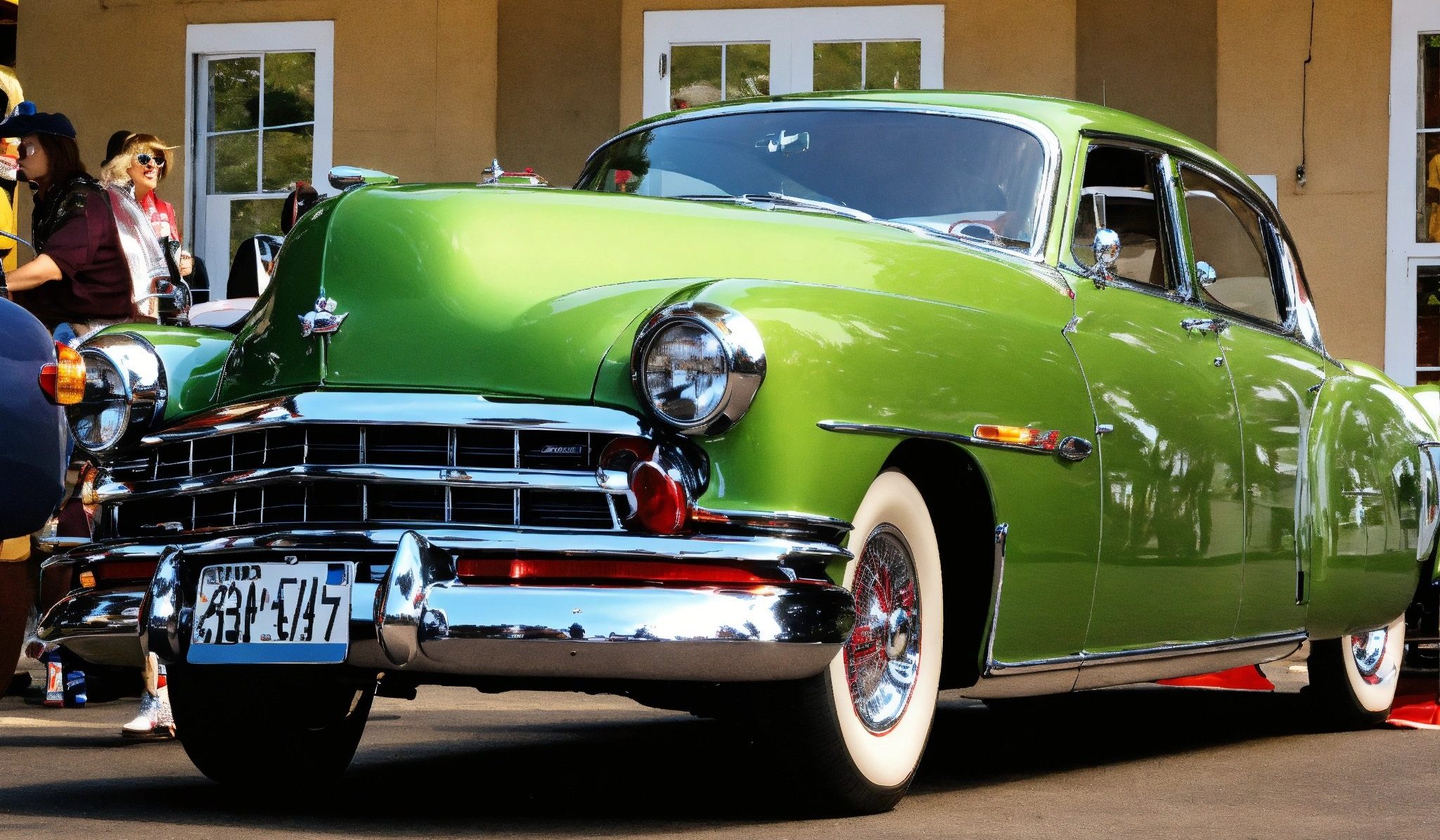
Ask the lender what coverage is required
Before completing the purchase, confirm:
- required coverage types;
- required limits;
- deductible restrictions, if any;
- how the lender must be listed on the policy; and
- whether the vehicle’s planned use creates any restrictions.
Ask the insurer how the vehicle will be covered
Classic-car insurance products can have different valuation methods, mileage conditions, storage rules, driver eligibility standards, and permitted uses.
Do not assume that every collector policy provides identical coverage.
Get an insurance quote before finalizing the loan
Insurance cost should be included in the total ownership budget before you commit to financing.
8. Choose a Loan Term That Fits the Vehicle and Your Budget
A longer term can make classic car financing appear more affordable by reducing the monthly payment.
However, the Consumer Financial Protection Bureau explains that longer auto-loan terms can increase total interest and can increase the amount of time a borrower remains exposed to negative equity.
See CFPB guidance on loan terms.
Compare more than one term
For each available option, record:
| Loan Item | Option A | Option B | Option C |
|---|---|---|---|
| Amount Financed | _____ | _____ | _____ |
| APR | _____ | _____ | _____ |
| Term | _____ | _____ | _____ |
| Monthly Payment | _____ | _____ | _____ |
| Finance Charge | _____ | _____ | _____ |
| Total of Payments | _____ | _____ | _____ |
See our auto loan terms guide for a detailed comparison of short and extended repayment periods.
If an unusually long repayment period is being considered, our 96 month auto loan guide explains the trade-offs.
9. Review the Contract Before Signing
The final decision on classic car financing should be based on the written loan agreement and disclosures, not verbal promises.
Check the Truth in Lending disclosures
The CFPB explains that federal Truth in Lending disclosures for an auto loan include important terms such as APR, finance charge, amount financed, and total payments.
Read the CFPB Truth in Lending guidance.
Before signing, confirm:
- purchase price;
- down payment;
- amount financed;
- APR;
- finance charge;
- number of payments;
- payment amount;
- total of payments;
- late-payment terms;
- prepayment provisions;
- collateral language; and
- any optional products included in financing.
Be careful with balloon payments
If a financing offer contains a large final or balloon payment, understand exactly how much will be due and when.
Do not assume you will automatically be able to refinance or sell the vehicle before the final payment becomes due.
Should You Treat a Classic Car as an Investment?
A collector vehicle may increase in value, remain relatively stable, or lose value.
Future resale prices are uncertain and can depend on:
- market demand;
- rarity;
- condition;
- originality;
- maintenance;
- restoration quality;
- economic conditions; and
- collector preferences.
Do not justify an expensive loan solely on the assumption that appreciation will cover the interest, insurance, storage, maintenance, or restoration costs.
The primary borrowing decision should still make sense based on your existing budget and financial resources.
For broader money-management principles, see our top financial tips.
Can You Refinance a Classic Car Loan?
Potentially, but refinancing is not guaranteed.
Eligibility can depend on:
- credit profile;
- remaining balance;
- current vehicle value;
- loan-to-value ratio;
- vehicle eligibility;
- title and lien status; and
- the new lender’s requirements.

A lower monthly payment after refinancing does not necessarily mean lower total cost if the repayment period is substantially extended.
Compare the new APR, remaining principal, fees, term, monthly payment, and total remaining cost.
Our guide on how soon you can refinance a car loan explains the general timing and eligibility considerations.
Classic Car Financing Checklist
Before accepting classic car financing, verify:
- Does the lender accept the vehicle’s age and type?
- Is an appraisal required?
- What value will the lender use?
- What is the purchase price?
- What down payment is required?
- What is the amount financed?
- What is the APR?
- What is the finance charge?
- How long is the repayment term?
- What is the total of payments?
- What insurance coverage is required?
- Has the vehicle been independently inspected?
- Are restoration or repair costs expected soon?
- Are optional products included in the financing?
- Does the loan include a balloon payment?
- Are there prepayment restrictions?
Compare the full transaction with our auto finance comparison guide.
Frequently Asked Questions
What is classic car financing?
Classic car financing is financing used to purchase a classic, collector, vintage, or specialty automobile. It can include specialty secured loans, conventional financing where eligible, dealer-arranged financing, or alternative borrowing products.
Is it harder to finance a classic car?
It can be more complicated if the vehicle falls outside a lender’s normal age, mileage, value, or collateral requirements. Another lender or specialty financing provider may use different criteria.
How much down payment is required?
There is no universal percentage. Down-payment requirements vary by lender, vehicle value, amount financed, borrower profile, and loan structure.
Do I need an appraisal?
Possibly. Some lenders may require an appraisal for a collector vehicle, particularly when standard valuation data is insufficient. Verify the lender’s exact requirements before ordering one.
Are classic-car loan interest rates higher?
Not necessarily in every case. Rates depend on the lender, borrower, loan amount, term, down payment, vehicle, and other underwriting factors. Compare actual APRs rather than assuming a fixed premium applies.
Can I use a personal loan to buy a classic car?
Potentially. An unsecured personal loan does not normally use the vehicle itself as collateral, but available amounts, APRs, fees, and repayment terms can differ from vehicle financing.
Can I finance a project or partially restored car?
Possibly, but lenders may have stricter valuation or collateral requirements for incomplete, modified, or restoration-project vehicles. Confirm eligibility before applying.
Is a classic car a guaranteed investment?
No. Collector-car values can rise or fall, and ownership costs can be substantial. Do not rely on future appreciation when determining whether a loan is affordable.
Can I refinance classic car financing later?
Potentially, if another lender accepts the vehicle and you meet its underwriting requirements. A future refinance is never guaranteed.
Conclusion
Classic car financing can make a collector vehicle more accessible, but the decision requires more than finding an affordable monthly payment.
Verify the car’s condition and value, understand whether an appraisal is required, compare several financing sources, and evaluate APR, finance charge, amount financed, repayment term, and total payments.
Also budget for insurance, maintenance, storage, restoration, and unexpected repairs rather than assuming future appreciation will cover ownership costs.
Before signing, compare your written loan disclosures with the deal you negotiated and make sure both the vehicle and financing fit your long-term budget.
Continue with our guides to auto loans for older cars, used car loans, auto financing, and car finance options.