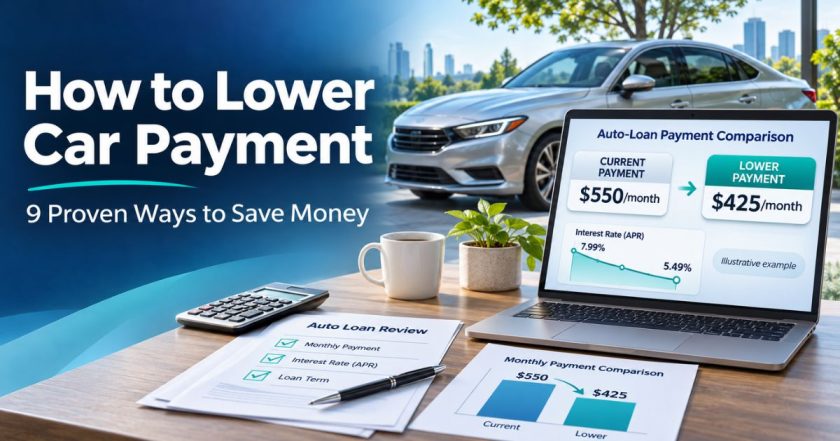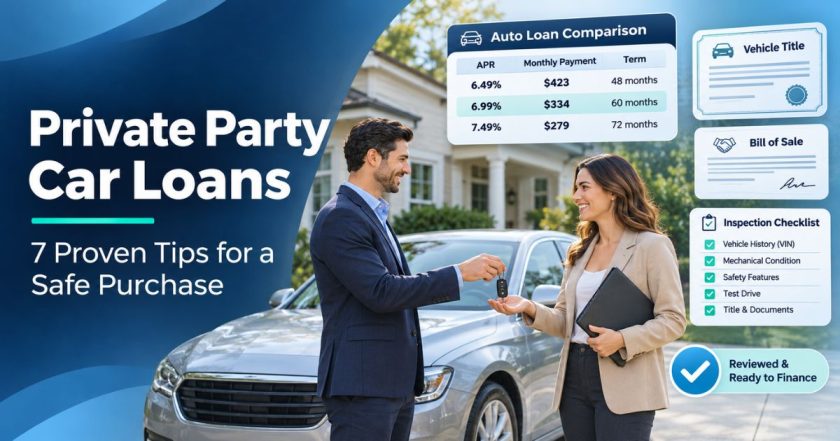

The best auto finance deals are not necessarily the offers with the lowest advertised monthly payment. A strong car-financing deal combines a competitive APR, manageable loan term, reasonable amount financed, affordable payment and acceptable total borrowing cost.
Instead of relying on a single lender or an advertised low rate, compare actual offers based on your credit profile, vehicle and loan amount. Banks, credit unions, dealers and other auto lenders can offer different terms to the same borrower.
Quick Answer: How Do You Find the Best Auto Finance Deals?
Finding the best auto finance deals starts with checking your credit, setting a realistic budget and requesting auto-loan quotes or preapprovals from multiple lenders. Compare the APR, interest rate, amount financed, loan term, monthly payment, fees and total cost of each offer.
A lower monthly payment does not automatically mean a cheaper loan. Extending the repayment period can lower the payment while increasing the interest you pay over time.
| What to Compare | Why It Matters |
|---|---|
| APR | Helps compare borrowing costs, including certain loan fees |
| Interest rate | Determines the interest charged on the borrowed amount |
| Amount financed | Shows how much you are actually borrowing |
| Loan term | Affects monthly payment and total interest |
| Monthly payment | Must fit your regular budget |
| Fees and add-ons | Can increase the amount financed and total cost |
| Total repayment cost | Helps reveal the long-term cost of the deal |
If you first need to understand where vehicle financing can come from, read our guide to auto finance options.
1. Compare APR, Not Just the Advertised Interest Rate
Interest rate and APR are related, but they are not identical. The interest rate represents the cost charged for borrowing the principal, while APR is a broader measure that incorporates the interest rate plus certain additional loan charges.
That makes APR particularly useful when comparing similar auto-loan offers. Compare APR with APR rather than comparing one lender’s APR with another lender’s basic interest rate.
For a deeper explanation of borrowing costs, see our guide to finance charges on loans.
2. Get Multiple Auto Loan Offers

Comparing multiple lenders is one of the most reliable ways to identify the best auto finance deals available for your credit profile and vehicle.
You can consider quotes or preapprovals from sources such as:
- Banks
- Credit unions
- Online or nonbank auto lenders
- Dealer-arranged financing
- Manufacturer-affiliated finance companies
A direct-lender preapproval can give you a benchmark before you visit a dealership. You can then compare the dealer’s financing offer with terms you have already obtained elsewhere.
The Consumer Financial Protection Bureau recommends comparing auto-loan offers and looking beyond the monthly payment at factors including APR, interest rate, loan length and amount financed. See the CFPB’s auto-loan comparison guidance.
3. Shop for Auto Loans Within a Focused Time Period
Borrowers sometimes avoid comparing lenders because they are concerned about multiple credit inquiries. However, credit-scoring models generally recognize that consumers shop around for auto loans.
According to CFPB guidance, multiple auto-loan inquiries made within a period that generally ranges from 14 to 45 days may be treated as a single inquiry for scoring purposes, depending on the scoring model. Keeping your rate shopping within a focused period can therefore make comparison easier while limiting the potential effect of repeated inquiries.
Prequalification and preapproval processes can differ by lender, including whether a particular step uses a soft or hard credit inquiry. Check the lender’s disclosure before submitting an application.
4. Choose the Loan Term Carefully
A long repayment term can make an expensive vehicle appear more affordable because the required monthly payment is spread across more months. But a smaller payment is only one part of the calculation.
| Shorter Loan Term | Longer Loan Term |
|---|---|
| Higher monthly payment in many cases | Lower monthly payment in many cases |
| Less time for interest to accumulate | More time paying interest |
| Can reduce total borrowing cost | Can increase total borrowing cost |
| Loan balance falls faster | May increase prolonged negative-equity risk |
When comparing the best auto finance deals, consider both the monthly payment and the total cost over the full loan term. Longer terms can reduce the monthly payment but may result in substantially more interest over the life of the loan.
Before signing, use the approach explained in our auto finance calculator guide to see how changing the rate, term or amount financed affects your payment.
5. Understand What Determines Your Auto Loan Rate
There is no single auto-loan rate that applies to everyone. The offer available to you can depend on several borrower, loan and vehicle characteristics.
Factors lenders may consider include:
- Credit scores and credit history
- Income and existing debts
- Loan amount
- Loan term
- Down payment relative to vehicle value
- Whether the vehicle is new or used
This is why an advertised starting APR should not be treated as the rate you will necessarily receive. Your approved terms depend on the lender’s underwriting and your individual application.
6. Compare Dealer Financing With Outside Financing
Dealer-arranged financing can be convenient, but you do not have to finance your vehicle through the dealership.

With dealer-arranged financing, a lender may quote a rate to the dealership, and the rate ultimately presented to the consumer can be higher. Having an outside preapproval gives you another offer to compare and may strengthen your position when discussing financing.
The best auto finance deals can come from either direct lenders or dealer-arranged financing, so compare actual offers rather than assuming one source is always cheaper.
Before accepting dealer financing, compare:
- APR
- Interest rate
- Loan term
- Amount financed
- Down payment
- Monthly payment
- Optional products
- Whether financing is final
7. Review Incentives, Add-Ons and the Final Contract
Some manufacturers may advertise promotional financing or cash incentives on particular new vehicles. Offers such as low or 0% promotional financing can have model, term and borrower eligibility requirements, so an advertisement should not be treated as a guaranteed offer.
You may also have to compare promotional financing with another incentive, such as cash back. Calculate which option produces the better result for your actual transaction.
Watch the Cost of Dealer Add-Ons
Products such as service contracts, GAP products or other optional add-ons can increase the amount you finance. If those costs are rolled into the loan, you may also pay interest on them.
Before leaving the dealership, make sure you understand whether the financing is final and carefully review every item included in the contract.
New vs. Used Car Finance Deals
The best auto finance deals for new and used vehicles can differ because lender requirements, vehicle values and manufacturer incentives vary. Neither category automatically provides the better overall deal.
New-Car Financing
Manufacturer-affiliated lenders may offer promotional financing on qualifying new models. However, a new vehicle may have a higher purchase price, and promotional terms may only be available to borrowers who meet specific requirements.
Used-Car Financing
A used vehicle can have a lower purchase price, but the financing terms available depend on the lender, borrower and vehicle. Vehicle age, value and other lender restrictions can also affect eligibility.
Compare the total vehicle and financing cost, not simply whether one loan carries a lower advertised rate.
Does a Bigger Down Payment Improve an Auto Finance Deal?
A larger down payment reduces the amount you need to borrow. It can also reduce your loan-to-value ratio, which compares the loan amount with the vehicle’s value.
Reducing the amount financed can lower your monthly payment or total interest expense when other factors remain equal. However, do not use so much cash for a down payment that you leave yourself without an adequate financial cushion.
How to Compare Two Auto Finance Deals
Suppose two lenders finance the same vehicle. One advertises a lower monthly payment, while the other requires a larger payment but has a shorter term.

Do not decide based only on the payment. Put the offers side by side:
| Comparison Point | Offer A | Offer B |
|---|---|---|
| Amount financed | Check disclosure | Check disclosure |
| APR | Compare | Compare |
| Interest rate | Compare | Compare |
| Loan term | Compare months | Compare months |
| Monthly payment | Check affordability | Check affordability |
| Fees/add-ons | Identify | Identify |
| Total repayment | Calculate | Calculate |
This approach is more reliable than choosing whichever lender advertises the smallest monthly payment.
How to Improve Your Chances of Getting a Competitive Deal
Review Your Credit Reports
Check your credit reports for inaccurate information before applying. Your credit history and scores can affect the terms lenders offer.
Set Your Budget Before Shopping
Decide how much vehicle you can realistically afford after considering not only the loan payment but also insurance, fuel, maintenance, registration and other ownership costs.
Get Financing Offers Before Visiting the Dealer
Outside offers provide useful benchmarks when the dealership presents its financing.
Make an Appropriate Down Payment
Reducing the amount financed can improve the structure of the loan, although the appropriate amount depends on your broader financial situation.
Negotiate the Vehicle and Financing Carefully
Do not allow attention to shift entirely to the monthly payment. Keep track of the vehicle price, trade-in, down payment, amount financed, APR and loan term.
Consider Refinancing Later if Circumstances Improve
If you already have an expensive car loan, refinancing may be worth evaluating when you can qualify for meaningfully better terms.
See our Capital One auto refinance guide for an example of lender-specific refinancing requirements.
Common Mistakes When Comparing the Best Auto Finance Deals
- Focusing only on monthly payment: A long term can make the payment look attractive while increasing total interest.
- Assuming the advertised APR is guaranteed: Your approved rate depends on eligibility and underwriting.
- Using only one financing source: Without comparison, you do not know whether another lender would offer better terms.
- Ignoring add-ons: Optional products can materially increase the amount financed.
- Not reading the contract: Verify the figures before signing.
- Rolling negative equity forward without understanding it: Unpaid debt from a trade-in can increase the new loan balance.
- Stretching the term simply to afford the car: This can indicate the vehicle is outside your comfortable budget.
If you currently owe more than your vehicle is worth, our guide on selling a financed car explains additional considerations.
Auto Finance Deal Checklist
Use this checklist to compare best auto finance deals without focusing only on an advertised rate or monthly payment. Before accepting an offer, confirm that you know:
- The vehicle’s agreed purchase price
- Your down payment
- Your trade-in value and any outstanding balance
- The exact amount financed
- The interest rate
- The APR
- The loan term
- The monthly payment
- Any lender or dealer fees
- The cost of optional products
- Whether a prepayment penalty applies
- The expected total repayment amount
- Whether the financing is final
For broader financing education, visit our Auto Finance Center. You can also review our affordable auto loans guide if interest cost is your main concern.
Frequently Asked Questions About the Best Auto Finance Deals
What makes an auto finance deal a good deal?
A competitive deal combines an affordable APR, suitable loan term, manageable amount financed and monthly payment, limited unnecessary fees and a reasonable total repayment cost. The right combination depends on your financial circumstances.
Should I choose the auto loan with the lowest monthly payment?
Not automatically. A low payment may result from a longer repayment term, which can increase total interest. Compare APR, term and total borrowing cost alongside the payment.
Is APR more important than the interest rate?
Both are important. The interest rate reflects the cost of borrowing the principal, while APR incorporates the interest rate plus certain additional loan charges. APR can therefore be particularly useful when comparing similar loan offers.
Can I negotiate an auto loan rate?
Auto financing terms can sometimes be negotiated, particularly with dealer-arranged financing. Having competing offers can give you a useful benchmark during negotiations.
Does checking multiple auto loan offers hurt my credit?
Applications can create credit inquiries, but auto-loan inquiries made within a focused rate-shopping period may receive special treatment under credit-scoring models. The exact window and treatment depend on the scoring model being used.
Are 0% APR auto finance deals real?
Manufacturer promotional financing can include 0% offers on certain vehicles, but eligibility restrictions can apply. Check the qualifying models, borrower requirements, loan term and whether choosing promotional financing affects other available incentives.
Is dealer financing better than a bank loan?
Neither is automatically better. Compare the actual terms available to you. A bank or credit union preapproval can provide a benchmark against which to evaluate the dealer’s financing offer.
Does a larger down payment help?
A larger down payment reduces the amount financed and generally lowers the loan-to-value ratio. That can reduce borrowing costs, but the appropriate down payment also depends on your cash reserves and overall budget.
Should I finance a new or used car?
Compare the total purchase and ownership costs rather than financing alone. New vehicles may have manufacturer promotional financing, while used vehicles may have lower purchase prices. The better fit depends on the actual vehicle, loan offer and your budget.
Can I refinance if I do not get a good rate initially?
Potentially. If your credit, market rates or financial circumstances later allow you to qualify for better terms, refinancing may reduce borrowing costs. Compare the new APR, fees, remaining balance and loan term before proceeding.
Final Takeaway
The best auto finance deals are found by comparing real numbers rather than promotional headlines. Get several offers, review APR and interest rate, evaluate the loan term, check the amount financed and understand every fee or optional product included in the contract.
A slightly higher monthly payment on a shorter, lower-cost loan can sometimes cost less overall than a low payment stretched across many additional months. The goal is to find financing that works for your monthly budget without losing sight of the total amount you will pay.
Next, explore our auto finance options guide to compare banks, credit unions, dealerships and other financing sources.