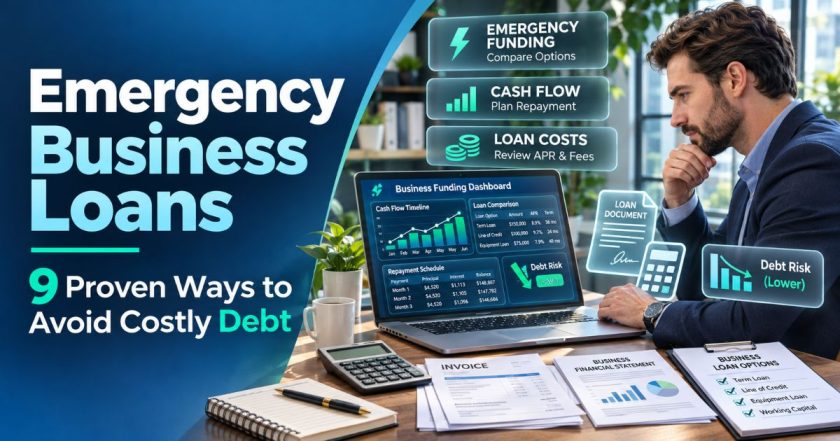
Businesses often use revolving financing to manage delayed customer collections, seasonal inventory purchases, unexpected supplier bills, and other short-term cash flow needs. However, flexible access does not mean financing is inexpensive or risk-free.
Before choosing a working capital line of credit, compare borrowing costs, draw restrictions, repayment requirements, collateral provisions, personal guarantees, and renewal conditions. The company should have a realistic plan for repaying outstanding advances from expected operating receipts.
This 2026 guide explains seven important financing considerations, including how revolving accounts work, how interest is calculated, what lenders evaluate, and when other funding options may be more appropriate.
For additional information, read our complete business loans guide and business loan versus line of credit comparison.
Key Takeaways
- Revolving financing can provide repeated access to capital within approved limits.
- Interest commonly applies to outstanding drawn balances, although other fees may apply.
- Credit availability may change because of borrowing-base calculations or lender restrictions.
- Interest-only payments do not reduce outstanding principal.
- Some facilities require collateral, personal guarantees, or both.
- Variable interest rates can increase borrowing costs.
- Renewal, maturity, and demand-for-payment provisions require careful review.
- Temporary operating gaps should not be confused with continuing business losses.
- Business owners should compare written offers using consistent borrowing assumptions.
1. Working Capital Line of Credit: How It Works
A working capital line of credit is a business financing arrangement designed to provide access to capital for eligible short-term operating needs.
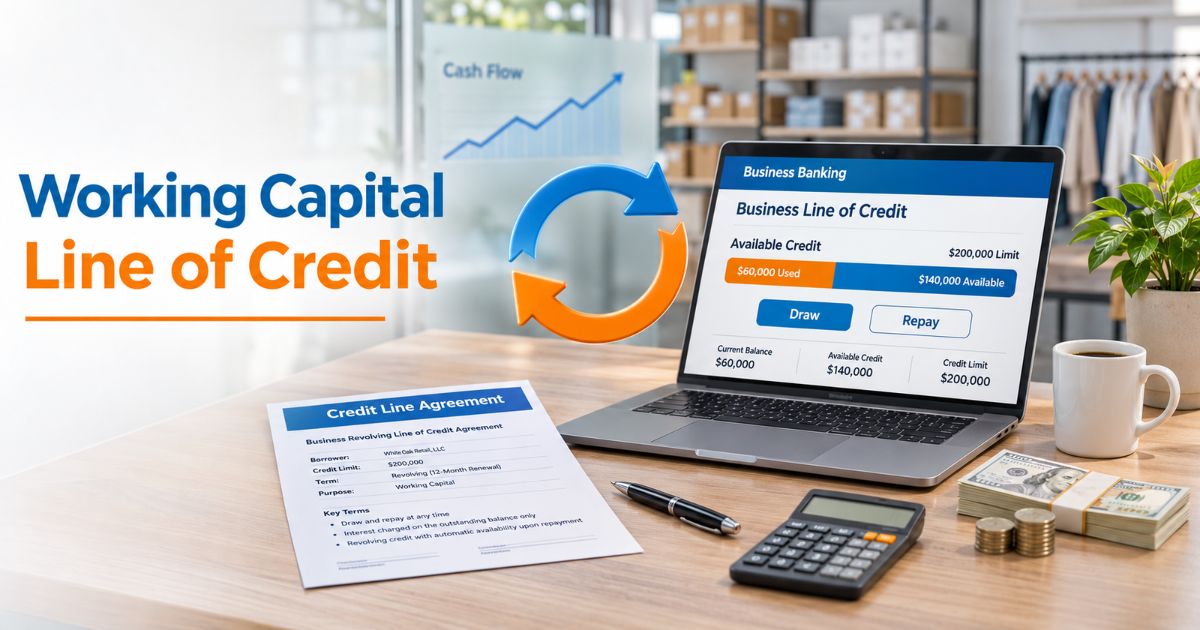
Depending on the contract, a company can draw an approved amount, repay principal, and potentially borrow again within its available limit.

What is revolving business credit?
Revolving business credit allows funds to become available again after qualifying principal repayments, subject to the agreed terms.
Unlike a term loan, the company does not necessarily receive its entire approved limit when the facility opens.
Understanding the credit limit
A credit limit represents the maximum amount the lender permits the business to borrow under specified conditions.
For example, a company approved for a $50,000 revolving facility may draw $15,000 to cover a temporary expense.
Assuming no additional restrictions or adjustments, the remaining available credit would be $35,000.
How repayment restores availability
When the borrower repays principal, available credit may increase under a revolving agreement.
However, some products include draw periods, annual reviews, borrowing-base limits, or other conditions that affect access.
Example of a short-term draw
Suppose a wholesale supplier needs $15,000 to purchase inventory before customer payments arrive.
The company draws $15,000 and later collects the related receivables.
If the business repays the $15,000 principal plus applicable interest and fees, it may restore the corresponding borrowing capacity.
How revolving credit differs from a term loan
Term loans generally provide funds for a defined purchase or project, with repayment according to the financing agreement.
Some term loans have fixed rates and payments, but others use variable rates, interest-only periods, or balloon payments.
| Feature | Business Line of Credit | Business Term Loan |
|---|---|---|
| Funding | Draws against available limit | Generally lump sum |
| Typical Purpose | Recurring temporary needs | Defined investments or expenses |
| Interest | Commonly on outstanding draws | On outstanding loan principal |
| Borrowing Again | Potentially available | Usually requires new financing |
| Rate | Often variable | Fixed or variable |
| Repayment | Contract-specific | Contract-specific |
When the facility may be useful
Revolving borrowing may suit businesses with reasonably predictable collection cycles and temporary differences between operating payments and revenue receipts.
When the facility may be unsuitable
A company with ongoing losses may struggle to repay repeated draws.
Using revolving borrowing to cover permanent financial shortfalls can increase debt rather than solve the underlying problem.
Explore our business loan payment calculator and unsecured business financing guide for further comparisons.
A working capital line of credit should be matched to a clearly defined cash flow requirement and realistic repayment source.
2. Identify Cash Flow Gaps Before Borrowing
Understanding when business money enters and leaves your accounts is essential before using temporary financing.

Understand the cash conversion cycle
The cash conversion cycle measures the time between paying for inventory or other operating inputs and collecting cash from customers.
A business may be profitable while still experiencing a temporary cash shortage because customers pay invoices later than suppliers require payment.
Identify expected incoming payments
Review open invoices, customer payment histories, and collection forecasts.
Do not assume that every customer will pay on the original due date.
Review upcoming operating expenses
List payroll, rent, utilities, inventory purchases, insurance, supplier balances, and applicable taxes.
Identify when these payments must be made.
Separate seasonal needs from permanent shortfalls
Seasonal requirements arise when operating expenses increase temporarily before related revenue arrives.
Permanent shortfalls occur when ordinary business operations consistently require more cash than they produce.
Seasonal inventory purchases
A retailer preparing for a busy season may purchase stock before the expected sales period.
Revolving financing can help cover the timing gap if inventory sales are expected to generate enough cash to repay the draw.
Customer payment delays
Commercial companies may wait 30, 60, or more days for customer payments.
These payment terms can create temporary pressure when employees and suppliers require earlier payment.
Supplier invoice example
Consider a company that must pay $20,000 to suppliers in November but expects qualifying customer receipts in December.
The company might consider a short-term draw, provided the expected receipts are sufficiently reliable and the financing costs are affordable.
Operating need comparison
| Business Need | Potential Repayment Source | Key Risk |
|---|---|---|
| Seasonal Inventory | Inventory sales | Unsold stock |
| Delayed Customer Invoice | Customer collection | Late or disputed payment |
| Temporary Payroll Spike | Incoming operating receipts | Revenue shortfall |
| Supplier Payment Gap | Expected customer receipts | Collection delay |
Build a cash flow forecast
Prepare a month-by-month forecast showing expected receipts, payments, and the available cash balance.
Include conservative scenarios with slower customer payments or increased operating expenses.
Understand the repayment source
The repayment plan should identify actual expected cash collections rather than assuming future sales growth will automatically resolve the outstanding balance.
For additional business planning, read our business funding overview and small business loan preparation guide.
Before drawing from a working capital line of credit, confirm that the anticipated cash inflow can reasonably support the repayment obligation.
3. Compare Interest Rates, Fees, and Total Borrowing Costs
Borrowing costs can vary substantially between lenders and financing structures.

How interest is commonly calculated
Many revolving facilities charge interest on outstanding drawn amounts rather than the entire approved limit.
The actual calculation depends on the rate, payment timing, day-count convention, and agreement.
Simple interest calculation example
Assume a business maintains an outstanding $20,000 balance for 30 days at a hypothetical annual rate of 12%.
Using a 365-day simple-interest convention:
Interest = $20,000 × 0.12 × 30 ÷ 365
The estimated interest would be approximately $197.26.
This calculation excludes other fees and assumes a constant principal balance and interest rate.
Fixed interest rates
Some commercial facilities offer fixed rates for specified borrowing periods or transactions.
The rate remains unchanged according to the relevant contractual provisions.
Variable interest rates
Variable rates may be linked to a benchmark such as the prime rate plus an agreed margin.
Borrowing expenses can change when the underlying benchmark changes.
Interest-only payments
Some arrangements permit interest-only payments during an agreed period.
These payments do not reduce principal, so borrowers must plan for eventual principal repayment.
Annual fees
A lender may charge a recurring fee for maintaining the facility.
The fee may apply regardless of how frequently the credit is used.
Draw fees
Some products charge a transaction fee each time a borrower accesses funds.
Repeated withdrawals can increase total costs.
Origination fees
An origination charge may apply when a facility is established.
Ask whether it is paid upfront or deducted from available proceeds.
Unused credit fees
Certain agreements charge fees based on an unused portion of the commitment.
Other arrangements do not include such charges.
Late payment charges
Missed payments may generate additional costs or contractual default consequences.
Prepayment provisions
Some agreements permit early principal repayment without additional fees.
Others may include minimum interest requirements or early termination charges.
Commercial APR limitations
Business-purpose financing does not always use standardized consumer-style APR disclosures.
When comparing facilities, review actual financing charges, total fees, payment schedules, and net available funds instead of relying only on advertised interest rates.
Borrowing cost checklist
| Cost Component | What to Check |
|---|---|
| Interest Rate | Fixed or variable |
| Origination Fee | Initial account charge |
| Annual Fee | Recurring maintenance cost |
| Draw Fee | Transaction charges |
| Unused Commitment Fee | Cost of undrawn availability |
| Late Fee | Missed payment charges |
| Termination Fee | Cost of closing agreement |
For financing cost comparisons, review our business loan interest rates guide and business borrowing cost calculator guide.
Before accepting a working capital line of credit, compare the full expected cost of the actual borrowing pattern rather than simply choosing the lowest advertised rate.
4. Understand Collateral and Borrowing Base Requirements
Some revolving facilities require business assets as collateral. Others may be unsecured or involve different lender protections.

Secured financing
A secured facility grants the lender specified rights in eligible pledged assets.
After a qualifying default, the lender may have contractual and legal remedies relating to those assets.
Unsecured financing
Unsecured facilities may not require specifically pledged collateral.
However, lenders can still request personal guarantees or impose other contractual obligations.
Accounts receivable
Outstanding commercial invoices may support a borrowing-base facility.
Lenders can review invoice age, customer credit quality, disputes, and concentration risk.
Inventory
Some lenders accept eligible inventory as security.
Obsolete or slow-moving products may receive a lower borrowing value.
Equipment
Machinery, commercial vehicles, and other eligible assets may be pledged depending on the agreement.
Cash collateral
Some facilities involve deposits or other qualifying financial assets as security.
Personal guarantees
A personal guarantee creates a contractual obligation for an individual to satisfy specified business debts under certain circumstances.
It is distinct from the pledge of a particular business asset.
What is a borrowing base?
A borrowing base is a contractual calculation that limits available financing according to specified eligible assets and advance percentages.
Illustrative borrowing base calculation
Assume the lender recognizes $100,000 in eligible receivables and permits an 80% advance rate.
The receivables portion of the borrowing base would be $80,000 before other contractual deductions or adjustments.
Borrowing base example
| Factor | Illustrative Value |
|---|---|
| Eligible Receivables | $100,000 |
| Advance Rate | 80% |
| Calculated Borrowing Base | $80,000 |
| Existing Outstanding Draw | $30,000 |
| Potential Remaining Availability | $50,000 |
This example assumes the contractual commitment is sufficient and there are no additional reserves, concentration deductions, defaults, or other limitations.
Why availability can decline
If eligible invoices become overdue or inventory loses value, the borrowing base may decrease.
The lender could require repayment or impose restrictions according to the agreement.
UCC filings
A lender may file a financing statement to provide public notice of an asserted security interest in applicable business property.
Priority depends on the relevant law, filing requirements, and existing claims.
Questions about collateral
- Which assets are pledged?
- Is there a blanket security interest?
- Are personal guarantees required?
- How are eligible receivables calculated?
- What happens when the borrowing base declines?
- How frequently are collateral reports required?
- What actions can trigger default?
Learn more in our secured business loan and collateral guide and unsecured business loans comparison.
A working capital line of credit supported by business assets should be evaluated carefully when those assets are essential to daily operations.
5. Review Business Eligibility and Underwriting Requirements
Lenders evaluate repayment capacity, company stability, credit information, financial statements, and the requested financing structure.
Business revenue
Annual and monthly revenue help lenders assess the scale of company operations.
However, high sales volume does not automatically establish sufficient cash flow.
Time in business
Some financial institutions prefer established companies with several years of operating history.
Other lenders may evaluate newer businesses under different requirements.
Business credit history
Commercial credit reports may show repayment behavior and existing financing relationships.
Personal credit history
Lenders may review owner credit information, particularly when guarantees are required.
Cash flow consistency
Strong operating cash flow can support loan repayment, but financial statements should be examined together with current debt obligations.
Profitability
Business profitability can indicate operating strength, although accounting earnings and available cash are different measures.
Debt service coverage ratio
The debt service coverage ratio compares qualifying cash flow available for debt service with required debt payments under a defined method.
DSCR = Cash Flow Available for Debt Service ÷ Required Debt Service
If a business has $150,000 of annual cash flow available for debt service and annual debt service of $120,000, the calculated DSCR is 1.25.
Lenders differ in their definitions and minimum acceptable levels.
Industry risks
Some industries experience irregular customer payments, seasonal volatility, or significant inventory exposure.
These factors may affect underwriting decisions.
Ownership and business structure
Lenders may require information about owners, authorized signatories, and the legal structure of the applicant.
Existing obligations
Commercial lenders may review other loans, guarantees, leases, and financing commitments.
Typical supporting documents
- Business formation documents.
- Business tax returns.
- Profit-and-loss statements.
- Balance sheets.
- Cash-flow reports.
- Business bank statements.
- Accounts receivable aging reports.
- Accounts payable summaries.
- Existing debt schedules.
- Ownership information.
- Collateral records where applicable.
Application document comparison
| Document | Typical Purpose |
|---|---|
| Tax Returns | Historical business income |
| Bank Statements | Cash movement |
| Financial Statements | Profitability and financial position |
| Receivables Aging | Customer payment quality |
| Debt Schedule | Existing financial obligations |
| Collateral Records | Asset verification |
For more preparation guidance, see our business loan application guide, bad-credit business financing options, and general business borrowing guide.
Eligibility for a working capital line of credit depends on the lender’s underwriting process rather than a single credit score or revenue threshold.
6. Follow the Business Credit Application Process
Careful preparation helps applicants compare financing offers and understand their obligations before closing.
Step 1: Determine the amount required
Calculate the expected maximum temporary cash shortage.
Include reasonable flexibility for timing differences without borrowing substantially more than necessary.
Step 2: Identify the repayment source
Match the planned advance with realistic customer collections or other available business cash flow.
Step 3: Review credit information
Check business and personal credit records where applicable.
Correct material reporting errors before submitting applications when possible.
Step 4: Prepare financial statements
Gather up-to-date financial reports, supporting records, and current debt information.
Step 5: Compare lenders
Request offers from suitable banks, credit unions, commercial finance providers, or other eligible institutions.
Step 6: Confirm the product structure
Ask whether the facility is truly revolving, whether repeated draws are allowed, and when the agreement expires.
Step 7: Review loan terms
Read the interest provisions, fee schedule, maturity requirements, renewal conditions, collateral obligations, and default clauses.
Step 8: Check guarantees
Identify any personal guarantee requirements before signing.
Step 9: Complete underwriting
The lender may request additional documentation or clarification regarding financial results, ownership, or collateral.
Step 10: Review closing documents
Verify that the final documents reflect the approved offer and any negotiated changes.
Step 11: Establish internal borrowing controls
Authorize appropriate employees to request draws and maintain accurate transaction records.
Step 12: Monitor the account
Track outstanding principal, applicable interest, borrowing availability, payment dates, and contractual reporting duties.
For additional steps, review our first-time business loan guide and small business credit application checklist.
Obtaining a working capital line of credit should involve reviewing the long-term legal and financial implications, not just the initial available credit limit.
7. Compare SBA Working Capital Financing Programs
Some eligible small businesses may qualify for government-backed financing through participating lenders.
What is the SBA 7(a) loan program?
The U.S. Small Business Administration’s 7(a) program supports eligible business financing through approved lenders.
Available financing structures and permitted uses depend on the relevant program and lender requirements.
What is the Working Capital Pilot?
The SBA’s 7(a) Working Capital Pilot provides qualifying businesses access to monitored credit facilities for eligible working capital needs.
Depending on the structure, financing may support asset-based or transaction-based borrowing.
Are all SBA credit facilities revolving?
No. SBA-backed products differ in how funds are disbursed and repaid.
Some eligible arrangements are revolving while others are structured differently.
Can SBA financing support accounts receivable?
Certain SBA working capital arrangements may support financing based on qualifying receivables, inventory, or specific transactions.
Eligibility and reporting requirements depend on the program.
Are SBA loans automatically easier to obtain?
No. Participating lenders still evaluate creditworthiness, repayment capacity, eligibility, and other applicable rules.
Are SBA interest rates always lower?
Not necessarily. Pricing depends on program restrictions, lender terms, loan characteristics, and the applicant’s circumstances.
Review official SBA program information
See the official SBA 7(a) loan program for current program information.
Review participating lender requirements
Businesses considering the Working Capital Pilot should also review the SBA lender resources and working capital financing information.
Compare government-backed financing with commercial alternatives
Evaluate total costs, available credit, required financial reports, collateral conditions, and maturity requirements.
Government backing does not eliminate the borrower’s legal obligation to repay.
For additional financing information, review our business loan program comparison and revolving financing versus term loan guide.
8. Manage Revolving Borrowing Without Creating a Debt Spiral
Revolving financing can help with temporary needs, but repeated borrowing without adequate repayment can weaken a company’s finances.
Set permitted uses
Establish internal rules specifying the operating expenses that qualify for credit-line funding.
Require draw approval
Assign responsibility for approving withdrawals and reviewing available funds.
Record every transaction
Document the amount drawn, purpose, applicable expenses, and expected repayment source.
Monitor interest and fees
Review statements regularly and investigate unexpected charges.
Link repayment to customer collections
When an advance supports a specific group of receivables, consider directing the resulting cash collections toward repayment according to the business’s financial plan.
Maintain a cash flow forecast
Update projected receipts, expenses, and debt balances as business conditions change.
Avoid permanent dependence
A credit facility should not become the only source of cash for recurring operating losses.
Identify financial warning signs
- Borrowing repeatedly for ordinary payroll.
- Outstanding balances increasing every month.
- Declining operating margins.
- Missed supplier payments.
- Delayed taxes.
- Reduced borrowing-base availability.
- Increasing lender fees.
- Unreliable customer collections.
Monitor maturity and renewal dates
Some facilities require renewal reviews or repayment at a stated maturity date.
Do not assume the lender will continue providing the same credit limit indefinitely.
Understand demand provisions
Certain agreements permit repayment demands under specified conditions.
Review these provisions with a qualified professional when necessary.
Respond to covenant issues
Financial covenants may require maintaining specific ratios or providing periodic reports.
If you expect a breach, contact the lender promptly to discuss available options.
Prepare for reduced availability
Borrowing-base changes or lender reviews may reduce the amount available for future draws.
Maintain contingency plans for important operating expenses.
Review our emergency business funding guide and business debt repayment calculations.
Managing a working capital line of credit responsibly means using financing for a defined need while maintaining sufficient cash flow to reduce outstanding principal.
9. Compare Alternatives for Working Capital Needs
Businesses should evaluate multiple funding options before committing to revolving borrowing.
Traditional term loans
A term loan may be suitable for a defined purchase or investment with a reasonably predictable repayment source.
Equipment financing
Equipment-specific loans may better match the cost and useful life of machinery or commercial vehicles.
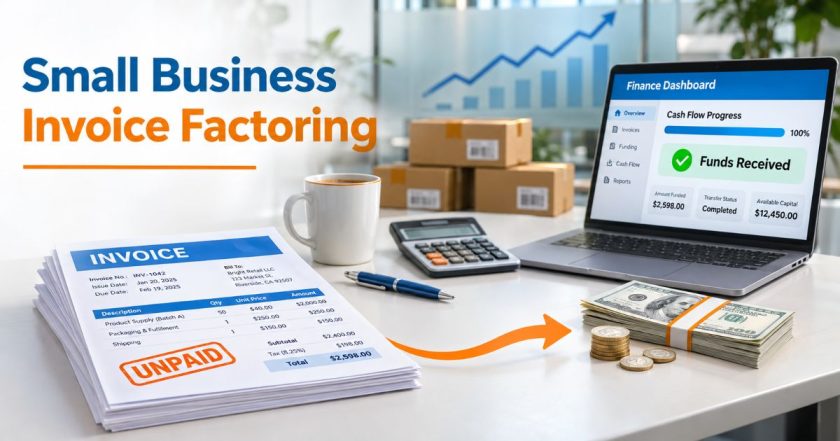
Invoice factoring
Factoring generally involves selling qualifying unpaid commercial invoices to a provider for an agreed advance and settlement arrangement.
Fees, recourse obligations, and customer collection procedures require careful review.
Accounts receivable financing
Receivables-backed borrowing may permit companies to access credit based on eligible unpaid invoices.
Unlike a sale transaction, these arrangements may allow the business to retain ownership of the receivables.
Business credit cards
Business credit cards may be suitable for smaller purchases and routine expenses.
However, interest charges can be expensive when balances are carried.
Supplier trade credit
Negotiating payment terms with suppliers can reduce temporary financing needs.
Customer deposits
Deposits or milestone billing may provide earlier access to cash, subject to customer agreements and future performance obligations.
Owner investment
Owner contributions can provide capital without automatically creating new lender debt, although they involve their own risks and costs.
Working capital alternatives table
| Funding Option | Potential Use | Main Consideration |
|---|---|---|
| Credit Line | Recurring temporary cash gaps | Renewal, fees, and draws |
| Term Loan | Defined financing requirement | Scheduled obligations |
| Equipment Financing | Equipment purchase | Collateral and asset value |
| Invoice Factoring | Access to unpaid invoice value | Discount fees and recourse |
| Receivables Financing | Invoice-backed liquidity | Borrowing-base requirements |
| Business Credit Card | Smaller recurring expenses | High potential APR |
| Supplier Trade Credit | Delayed supplier payment | Negotiated payment terms |
Explore our business financing comparison, secured business borrowing guide, and unsecured loan alternatives.
The best alternative to a working capital line of credit depends on how much funding the business needs, when it needs it, and how repayment will be managed.
10. Compare Written Offers Before Making a Decision
Different providers may offer the same nominal credit limit with substantially different fees, collateral provisions, and repayment rules.
Compare credit limits
Verify both the approved commitment and the amount actually available for immediate borrowing.
Compare interest rates
Identify whether the rate is fixed, variable, or subject to another pricing structure.
Compare fees
Include annual charges, origination costs, draw fees, unused credit fees, and any other applicable expenses.
Review repayment terms
Determine when principal must be repaid and whether interest-only periods or balloon obligations apply.
Check collateral
Review which business assets may be pledged and what happens after a default.
Review guarantees
Understand whether owners must accept personal liability.
Check renewal conditions
Confirm the expiration date, renewal procedures, and circumstances that may change credit availability.
Illustrative offer comparison
| Feature | Option A | Option B |
|---|---|---|
| Approved Limit | $50,000 | $75,000 |
| Illustrative Rate | 10% Variable | 12% Fixed |
| Annual Fee | $250 | $0 |
| Draw Fee | 1% of draw | None |
| Collateral | Eligible receivables | Contract-specific |
| Renewal | Annual review | Contractual maturity |
These hypothetical offers do not establish which option is cheaper. The answer depends on actual draw sizes, borrowing duration, repayment behavior, and other contractual charges.
Test a lower-revenue scenario
Estimate how the company would manage payments if sales declined or customer collections slowed significantly.
Review the complete agreement
Confirm that the written terms match the lender’s final offer.
For additional planning, see our commercial borrowing cost comparison and business financing application checklist.
11. Common Business Credit Line Mistakes to Avoid
Borrowing more than necessary
Unnecessary draws create additional outstanding principal and potential financing costs.
Ignoring total borrowing charges
Interest rates alone may not reflect annual fees, draw costs, or other contractual charges.
Assuming unlimited access
Credit availability is subject to approval limits and ongoing contractual conditions.
Failing to plan principal repayment
Interest-only payments may temporarily reduce cash outflow without reducing the amount owed.
Overlooking collateral requirements
Pledging essential business assets may increase the consequences of financial distress.
Ignoring personal guarantees
Owners should understand the extent of any personal repayment obligation.
Missing covenant requirements
Contractual reporting requirements and financial ratios may affect continued access to credit.
Using revolving financing for recurring losses
Borrowing repeatedly to cover ongoing operating losses can worsen long-term financial problems.
Assuming automatic renewal
A lender may review or change terms at maturity according to the agreement.
Failing to compare alternatives
Term loans, receivables financing, factoring, or negotiated payment terms may better suit certain needs.
Before accepting a working capital line of credit, review these risks alongside the business’s financial forecasts.
Final Working Capital Financing Checklist
- Identify the exact funding purpose.
- Calculate the required amount.
- Estimate the borrowing duration.
- Review the cash conversion cycle.
- Prepare realistic collection forecasts.
- Check current business expenses.
- Identify repayment sources.
- Review business credit information.
- Review personal credit information when relevant.
- Prepare financial statements.
- Check existing debt obligations.
- Compare lender eligibility requirements.
- Understand fixed and variable rates.
- Review all financing fees.
- Confirm available borrowing capacity.
- Review collateral requirements.
- Check personal guarantees.
- Understand borrowing-base calculations.
- Review payment frequency.
- Confirm principal repayment obligations.
- Check maturity and renewal dates.
- Understand possible credit limit reductions.
- Review reporting covenants.
- Identify default provisions.
- Compare written lender offers.
- Evaluate financing alternatives.
- Maintain appropriate emergency liquidity.
- Monitor all draws and repayments.
Related Best Finance Live Guides
- Business Loans: Types and Requirements
- Business Loan vs Line of Credit
- Secured Business Loan: Collateral and Risks
Conclusion
A working capital line of credit may help eligible companies manage seasonal expenses, customer collection delays, and temporary operating cash shortages.
However, revolving borrowing involves financial and contractual obligations that must be carefully evaluated.
Business owners should understand how draws work, when principal must be repaid, what fees apply, and whether collateral or personal guarantees are required.
Interest-only arrangements do not eliminate debt, and variable rates can increase financing costs.
Renewal requirements, borrowing-base adjustments, and lender rights after default can also affect business liquidity.
Before accepting an offer, prepare realistic financial forecasts, compare multiple financing structures, and stress-test repayment ability during slower business periods.
When borrowing needs relate to major long-term investments, a term loan or other structured financing may be more appropriate.
The best financing decision is the one that meets a genuine operational need while preserving repayment capacity and the company’s long-term financial stability.